

Latest BAPE stories

About BAPE

Quick Facts
Founded1993
FounderTomoaki "NIGO" Nagao
HeadquartersTokyo, Japan
Current OwnerI.T Limited (since 2011)
Signature SneakerBapesta (2002)
Cultural Peak2000s hip-hop era
Retail Range$250-$450

A Bathing Ape (BAPE) is a Japanese streetwear brand founded by Tomoaki "NIGO" Nagao in 1993. Originally a small Harajuku boutique, BAPE grew into one of the most culturally influential streetwear labels of the 2000s-2020s, with a global retail presence and signature sneaker silhouettes that have influenced decades of street fashion.

The Bapesta

The BAPE Sta — commonly called the Bapesta — launched in 2002 as BAPE's take on the Nike Air Force 1 silhouette. Designed with heavy NIGO-era Air Force 1 influence, the Bapesta featured:
- Patent leather panels (often colorful)
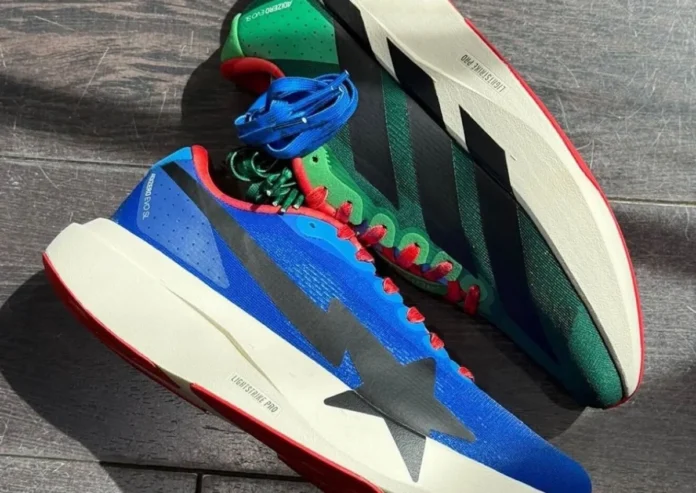
- BAPE "shooting star" logo replacing the Swoosh
- "BAPE STA" branding on the tongue
- Aggressive colorblocking
- Full-length patent leather uppers in most iterations

Collaborations and cultural impact

The Bapesta became foundational to 2000s hip-hop fashion — worn by Pharrell Williams, Kanye West, Lil Wayne, Jay-Z, and countless others. Notable Bapesta collaborations:

- Bapesta × Pharrell / N.E.R.D. (2003) — iconic pink patent
- Bapesta × Kid Cudi "Kid Cudi Men on the Moon" (2009)
- Bapesta × UNKLE
- Bapesta × Marvel (Spider-Man, Hulk)
- Bapesta × Skybox

NIGO's departure and brand evolution

NIGO sold BAPE to Hong Kong conglomerate I.T Limited in 2011. NIGO departed the brand shortly after to focus on Human Made and eventually joining Kenzo as artistic director. BAPE has continued releasing new Bapesta colorways under its new ownership, with ongoing retail expansion.

Recent collaborations

Modern BAPE continues its collaboration program:
- BAPE × adidas — NMD R1, Ultra Boost, Stan Smith
- BAPE × Nike SB
- BAPE × Reebok Instapump Fury
- BAPE × New Balance
- BAPE × Mitchell & Ness (NBA collaborations)

Retail

BAPE Bapestas retail at $250-$300 for standard colorways. Limited collaborations and anniversary editions retail $300-$450. BAPE operates flagship stores in Tokyo (multiple), New York, Los Angeles, London, Hong Kong, and Paris.

Frequently Asked Questions

What does BAPE stand for?

BAPE stands for "A Bathing Ape." The name is short for "A Bathing Ape in Lukewarm Water," a reference to NIGO's comment on youth culture during the brand's 1993 founding.

Who founded BAPE?

BAPE was founded by Tomoaki "NIGO" Nagao in 1993 in Harajuku, Tokyo. NIGO is one of the most influential streetwear designers of the 2000s era and the current artistic director of Kenzo (since 2021).

Is NIGO still at BAPE?

No. NIGO sold BAPE to Hong Kong conglomerate I.T Limited in 2011 and departed shortly after. He now runs Human Made and serves as artistic director of Kenzo (since 2021). BAPE continues under I.T Limited's ownership.

What is the Bapesta?

The Bapesta (BAPE Sta) is BAPE's signature sneaker silhouette, launched in 2002. It's a reimagining of the Nike Air Force 1 with patent leather panels, BAPE shooting-star logo, and distinctive colorblocking. It became one of the most culturally iconic streetwear sneakers ever produced.

How much do Bapestas cost?

Standard BAPE Bapesta colorways retail at $250-$300. Limited collaborations and anniversary editions price at $300-$450. Secondary market prices on deadstock vintage Bapestas can reach $500-$2,000+ depending on rarity.

What are the most iconic Bapesta collaborations?

The Pharrell/N.E.R.D. pink patent Bapesta (2003), Kid Cudi "Men on the Moon" Bapesta (2009), and various early-2000s celebrity exclusives are among the most iconic. Modern collaborative releases with adidas, Nike SB, and Reebok continue the tradition.

Is BAPE still culturally relevant?

Yes. BAPE maintains strong cultural presence through continuous Bapesta releases, expanded global retail, and ongoing collaborations with Nike, adidas, Reebok, and the NBA via Mitchell & Ness. The brand remains a streetwear staple for new generations.

Stay Connected

248,393FansLike
503,038FollowersFollow
657,345FollowersFollow